The Ultimate Dirndl Buying Guide for Beginners
When it comes to traditional German attire, the dirndl dress stands out as a timeless classic. Worn during festivals, Oktoberfest celebrations, and even weddings, the dirndl has become a symbol of culture and style. For beginners, choosing the right dirndl might feel overwhelming. This guide is here to make that process easier, helping you navigate the world of dirndls and find the perfect fit for you.
What is a Dirndl Dress?
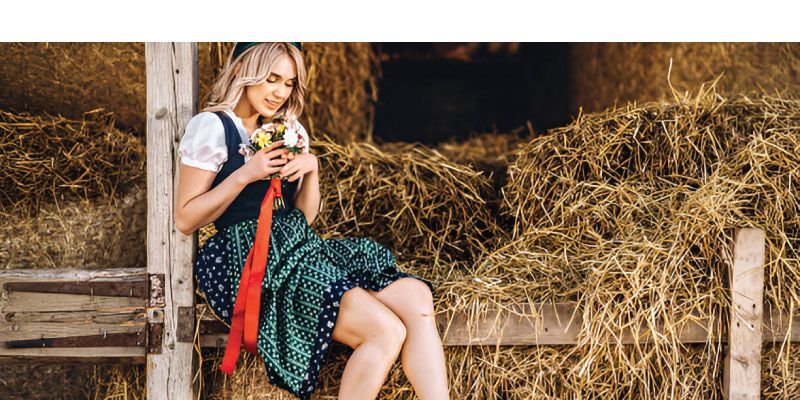
A dirndl is a traditional German dress with roots in Alpine regions like Bavaria and Austria. While originally a working outfit for peasant women, the dirndl has evolved into a stylish piece worn for both traditional events and modern-day celebrations.
A standard dirndl dress consists of three main parts:
1. Bodice – Fitted and typically laced up.
2. Blouse – Worn underneath the bodice, often featuring puffy sleeves.
3. Skirt – Flowing and sometimes pleated, the dirndl skirt is the highlight of the outfit.
Dirndls come in various lengths, from mini to full-length, allowing you to choose a style that suits your preference.
Finding the Perfect Fit
When your are buying dirndl for first time, finding the right fit is crucial. Since the bodice is designed to be snug, it’s essential that it hugs your body comfortably. The dirndl skirt should sit at a length you feel confident in. Shorter skirts can give a dirndl sexy vibe, while longer ones offer a more traditional look.
Start by measuring your bust, waist, and hips to ensure you get the correct size. A well-fitting dirndl will highlight your waist, creating an hourglass figure. You don’t want the bodice to be too loose or too tight, so don’t shy away from trying different sizes or consulting a size chart.
Styles of Dirndls
There are various styles of dirndls, ranging from casual to formal. For beginners, it’s essential to understand the differences.
- Casual Dirndls: These are made from lighter fabrics, often in simpler designs. Perfect for daytime events or casual Oktoberfest celebrations.
- Traditional Dirndls: These maintain the old-world charm with their intricate embroidery and higher-quality fabrics. They are ideal for formal events and can be paired with elegant accessories.
- Modern Dirndls: These dirndls break away from tradition. They may feature unique fabrics, shorter skirts, and bolder patterns. If you want a dirndl costume that makes a statement, this style is for you.
Each style offers something different, so consider where you’ll be wearing your dirndl when choosing one.
Choosing the Right Length
One of the key choices when selecting a dirndl is the length of the dirndl skirt. Traditionally, dirndls were full-length, but modern variations offer shorter options. Here’s what to consider:
- Mini Dirndls: These have a short skirt that ends above the knee, giving the outfit a flirty and youthful look. They often project a dirndl sexy appearance.
- Midi Dirndls: The most popular choice for many, a midi dirndl skirt falls just below the knee. This length strikes a perfect balance between modern and traditional.
- Maxi Dirndls These are full-length skirts, reaching the ankles. They offer a more conservative, elegant look and are often worn for formal events.
Colors and Patterns
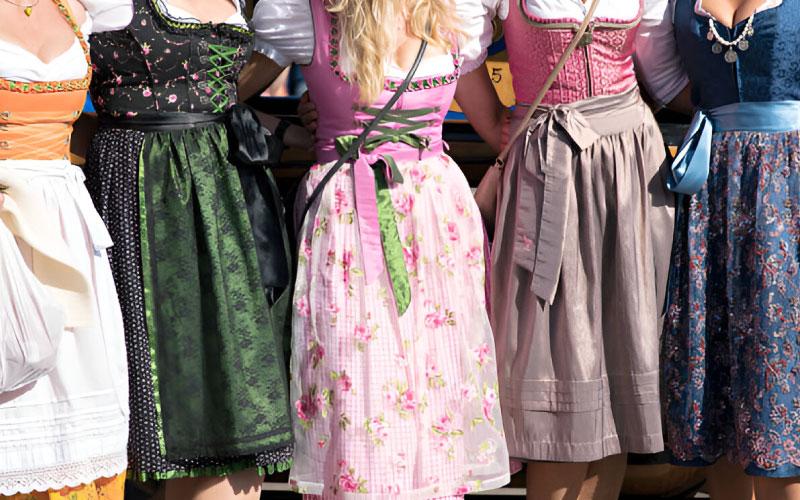
Color plays a significant role in the appeal of a dirndl. Traditional dirndls often come in muted colors like green, blue, or red, paired with white dirndl blouses. Modern dirndls, however, embrace a wide range of colors, from bright yellows to deep purples.
Consider where you’ll be wearing your dirndl when choosing the color. If you’re attending a day event, lighter, brighter colors work well. For evening gatherings, richer tones like burgundy or emerald green can give you a more elegant look.
Dirndl Pattern also vary. Some dirndls are plain, while others are adorned with floral prints or detailed embroidery. If you’re looking for a dirndl costume that stands out, opt for one with intricate patterns or lace accents.
Tying the Apron: A Subtle Language
One unique aspect of wearing a dirndl is the apron. It’s more than just an accessory—it communicates your relationship status. How you tie the apron can signal whether you’re single or taken:
- Left: Tying the apron on the left side indicates that you’re single.
- Right: Tying it on the right means you’re taken or married.
- Middle: This is sometimes used by young girls to signify they are virgins or simply undecided.
- Back: Traditionally, widows tie their apron in the back.
So, pay attention to where you tie your apron! It’s a fun way to add a bit of flirtation or clarity to social interactions during events.
Accessorizing Your Dirndl
Once you’ve chosen your dirndl, it’s time to complete the look with accessories. Here are some essentials:
1. Blouse: Every dirndl requires a blouse. They come in various styles, with options for long sleeves, short sleeves, or off-the-shoulder looks. Lace and embroidered blouses can add a touch of elegance to your dirndl.
2. Jewelry: Traditional jewelry, like chokers or pendants, can enhance the authenticity of your dirndl. Edelweiss motifs are popular for necklaces and earrings.
3. Shoes: Ballet flats, ankle boots, or traditional Haferl shoes are perfect choices. Avoid high heels, as they may not be comfortable for long hours of standing or dancing.
4. Bag: A small leather or embroidered handbag can be the perfect accessory to hold your essentials during Oktoberfest or other festivals.
5. Hair: Braided hairstyles are common when wearing a dirndl. They add a touch of tradition while keeping your hair out of the way during festivities.
Maintaining Your Dirndl
A quality dirndl is an investment, and with proper care, it can last for years. Here are a few tips to maintain your dirndl’s longevity:
- Washing: Always check the care label. Many dirndls are made from delicate fabrics, so hand washing or dry cleaning is recommended.
- Storing: Store your dirndl in a garment bag to protect it from dust and moisture. If it has a full skirt, hang it to prevent wrinkles.
- Ironing: Be cautious when ironing. Use a low setting, especially on embroidered areas, to avoid damaging the fabric.
By taking care of your dirndl, you ensure it remains a staple in your wardrobe for future events.
Conclusion
Purchasing your first dirndl dress is an exciting experience, but it can be overwhelming if you don’t know what to look for. By understanding the different styles, lengths, and accessories, you can make an informed choice and find a dirndl that suits your body and personality.
Whether you’re opting for a traditional look or a dirndl costume with a dirndl sexy twist, remember to have fun with your selection. The right dirndl will make you feel confident and connected to a rich cultural tradition.
At Lederhosen Men, we offer a wide variety of dirndls, perfect for every occasion. Take your time, explore the options, and soon you’ll be stepping out in style, ready to turn heads at your next event!